The Connection Between Gut Health and Acne: A Complete Guide
Recent research highlights the substantial role of gut health in skin conditions, particularly acne. An imbalance in the gut microbiome can lead to inflammation and hormonal changes, which may aggravate acne symptoms. This connection prompts a closer examination of dietary choices and lifestyle habits. Understanding these dynamics can present new opportunities for those seeking clearer skin. What specific changes can individuals make to support both gut health and skin clarity?
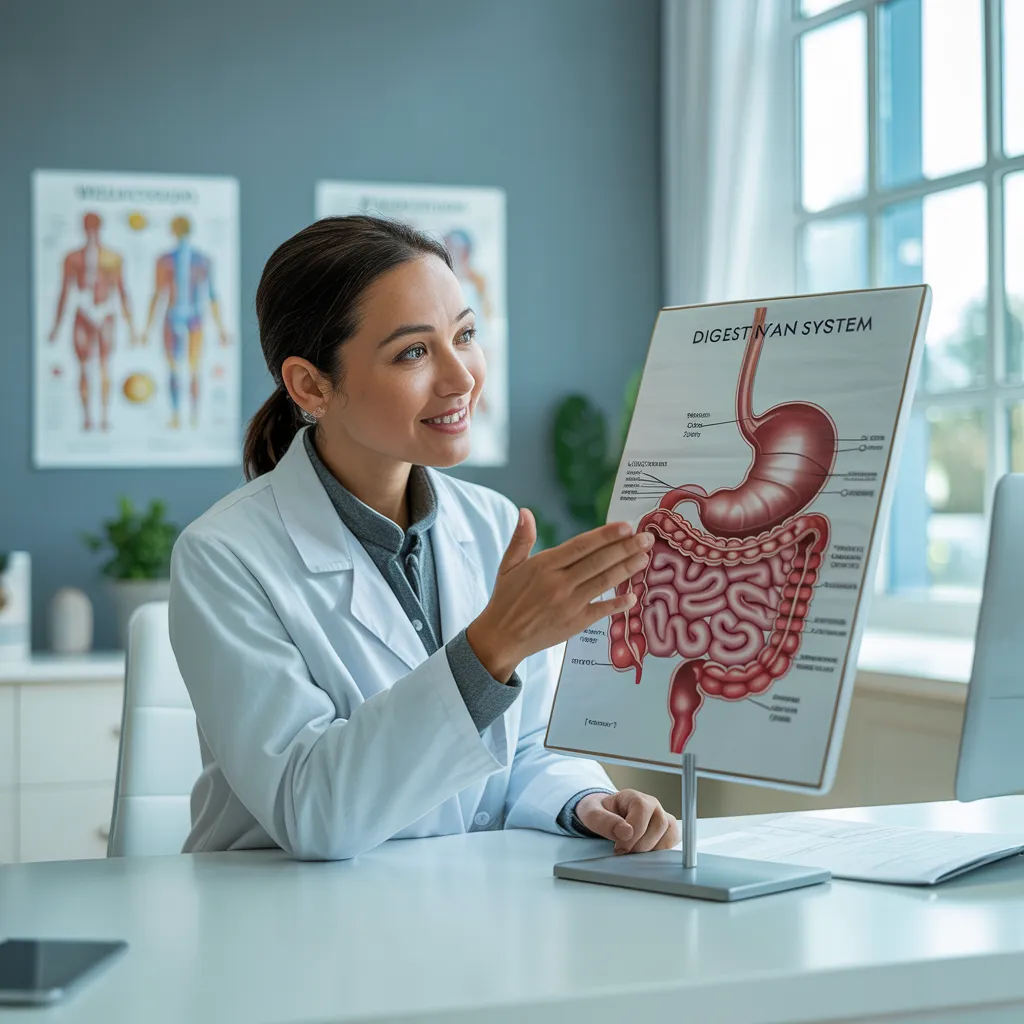
How Your Gut Health Influences Skin and Acne
While the correlation between gut health and skin conditions may not be immediately obvious, emerging research shows that the gut microbiome serves a important role in the occurrence and exacerbation of acne. The gut houses trillions of microorganisms that regulate multiple bodily functions, including inflammation and immune response. A balanced microbiome enhances skin health by promoting nutrient absorption and detoxification. However, an imbalance can cause increased inflammation and the production of sebum, both of which are tied to acne formation. Additionally, the gut-brain-skin axis suggests that stress and emotional health, often tied to gut health, can also impact skin conditions. Thus, understanding the interplay between gut health and skin can offer valuable insights for effective acne management strategies.
How Gut Imbalance Triggers Acne Flare-Ups
An imbalanced gut can significantly affect skin health, leading to acne flare-ups. The microbial ecosystem plays an essential role in managing inflammation and hormonal changes that can aggravate skin conditions. Comprehending this connection is essential for addressing acne from a holistic perspective.
The Microbiome's Function in Skin Health
The complex connection between the gut microbiome and skin health holds significant importance in the development of acne. The gut houses a diverse array of microorganisms that impact overall health, including skin condition. Imbalances in this microbiome can trigger dysbiosis, which may initiate acne flare-ups. For instance, an overgrowth of harmful bacteria can compromise the gut barrier, enabling toxins to enter the bloodstream and stimulate inflammatory responses that emerge on the skin. Additionally, the gut microbiome influences nutrient absorption and metabolic processes, influencing hormone levels and skin oil production. Thus, maintaining a balanced gut microbiome is crucial for supporting clear skin and preventing acne, demonstrating the interconnectedness of gut health and dermatological well-being.
Hormonal Shifts and Inflammation
When the balance of your gut microbiome is disrupted, it can contribute to increased inflammation and hormonal fluctuations that considerably affect acne flare-ups. An imbalance frequently leads to the overgrowth of harmful bacteria, triggering an inflammatory response in the body. This inflammation can exacerbate skin conditions by increasing oil production and clogging pores. Furthermore, gut health regulates hormone regulation, particularly androgens, which can boost sebum production. Increased cortisol levels resulting from gut stress can also intensify acne. As a result, a disrupted gut microbiome can create a vicious cycle, where inflammation and hormonal changes not only perpetuate acne but also obstruct the skin's natural healing processes. Managing gut health may thus be crucial for managing acne effectively.
What Role Does Inflammation Play in Acne Formation?
Chronic inflammation plays a significant role in the development of acne by interfering with the skin's natural processes. An imbalance in the gut microbiome can worsen inflammatory responses, producing increased levels of inflammatory markers that are closely connected to acne formation. Understanding these connections is crucial for addressing the root causes of acne beyond topical treatments.
Role Linked To Chronic Inflammation
Though inflammation is a typical response of the immune system to injury or infection, its chronic presence can greatly contribute to the development of acne. Persistent inflammation can bring about the overproduction of sebum and an increase in skin cell turnover, both of which are key contributors to clogged pores. Furthermore, inflammatory cytokines can modify the skin's microbiome, creating an environment conducive to acne-causing bacteria. This inflammatory response can also elevate the risk of scarring and skin damage, aggravating existing acne conditions. What's more, chronic inflammation may hinder the skin's ability to heal, lengthening acne outbreaks. As a result, managing inflammation plays a critical role in preventing and treating acne effectively.
Consequences of Gut Microbiome Imbalance
The relationship between intestinal health and acne is gaining greater recognition, especially through the lens of gut microbiome imbalance. An imbalance in gut microbiota can result in dysbiosis, characterized by a decline in beneficial bacteria and an increase in detrimental microorganisms. This shift can initiate systemic inflammation, which plays a role in acne development. Inflammatory mediators produced during dysbiosis can weaken the skin barrier, making it more prone to acne-causing pathogens. Moreover, this chronic low-grade inflammation can intensify sebum production and alter the skin's immune response. Consequently, the health of the gut microbiome plays an crucial role in sustaining skin integrity and reducing acne flare-ups, underscoring the importance of a nutritious diet and probiotics in maintaining skin health.
Inflammatory Markers And Acne
Inflammation acts as an essential component in the progression of acne, connecting various physiological processes to skin health. Inflammatory biomarkers, such as cytokines comprehensive guide and chemokines, play a significant role in prompting and aggravating acne lesions. These markers can result from both internal factors, like hormonal changes, and external factors, including environmental stressors. When the skin sustains inflammation, sebaceous glands secrete excess sebum, creating clogged pores. This forms an environment suitable for the expansion of acne-causing bacteria, further heightening inflammation. The presence of inflammatory cells in the skin can also result in tissue damage and the formation of painful nodules. As a result, managing inflammation is critical for effective acne treatment and overall skin health.
How Hormones and Gut Health Are Connected
While many people may not immediately consider the link between hormones and gut health, recent research shows a substantial connection that can shape overall well-being. Hormones, such as cortisol and insulin, can alter gut flora composition and gastrointestinal function. An imbalance in these hormones may trigger dysbiosis, which can aggravate inflammation and cause skin issues like acne. Furthermore, the gut microbiome participates in hormone regulation, impacting mood and stress levels, which are also associated with acne flare-ups. This mutual relationship demonstrates the importance of keeping a healthy gut to support hormonal balance. As researchers ongoing study this complex interplay, grasping these connections could produce more effective acne treatments.
Top Foods for Intestinal Health to Eliminate Acne
Maintaining a balanced gut microbiome can significantly impact skin health, especially in minimizing acne. A diet high in fiber, such as fruits, vegetables, and whole grains, supports the growth of beneficial gut bacteria. Foods like yogurt and kefir, which contain probiotics, can improve gut flora and improve digestive health. Fermented foods such as sauerkraut and kimchi also add positively by delivering live cultures that nourish the gut. Moreover, omega-3 fatty acids found in fatty fish, walnuts, and flaxseeds possess anti-inflammatory properties that may assist in alleviate acne symptoms. Antioxidant-rich foods, including berries and leafy greens, reduce oxidative stress, enhancing both gut health and skin clarity. Integrating these foods into daily meals can foster a healthier microbiome, encouraging clearer skin.
Are Probiotics Effective for Acne?
Could probiotics be the key to clearer skin? Growing evidence shows that probiotics could serve a crucial function in managing acne. These advantageous bacteria assist in preserving gut health, which is increasingly linked to skin conditions. By regulating the gut microbiome, probiotics can conceivably lower inflammation and regulate skin oil production, factors acknowledged to influence acne. Some studies have shown that people including probiotics into their dietary habits or skin care regimens experienced less frequent blemishes. However, the results are not wholly conclusive, and more in-depth research is required to establish a clear connection. While probiotics show promise, they should be viewed as a complementary approach combined with other acne treatments rather than a standalone solution for those battling acne.
Lifestyle Changes for Improved Gut Health and Healthier Skin
Probiotics offer one avenue for improving gut health and, by extension, skin clarity. However, lifestyle changes play an important role as well. A balanced diet full of fiber, vegetables, and fermented foods can enhance gut microbiota. Cutting down on processed foods and sugar intake is equally important, as these can disrupt gut balance and exacerbate acne. Maintaining proper hydration supports metabolic processes and skin health, while regular exercise boosts circulation and lowers stress, both beneficial for gut flora. Additionally, prioritizing sleep and managing stress through mindfulness practices can further enhance gut function. By implementing these lifestyle changes, individuals may achieve enhanced gut health, potentially leading to clearer skin and a reduction in acne symptoms.
Common Questions
Does Stress Affect Gut Health and Aggravate Acne?
Stress can negatively affect gut health by interfering with the microbiome and raising inflammation. Such dysbiosis may give rise to skin issues, including acne, as stress reactions may worsen factors influencing skin clarity and health.
How Soon Can You Expect to See Acne Improvements From Gut Health Changes?
Positive changes in acne from modifications to digestive health may take several weeks to months, depending on personal circumstances. Regular dietary changes, stress control, and lifestyle changes influence the timeline for observable skin clarity.
Do Specific Probiotics Exist That Are Recommended for Acne-Prone Skin?
Research indicates probiotics such as Lactobacillus and Bifidobacterium may benefit acne-prone skin. These strains could potentially balance gut microbiota, reduce inflammation, and boost skin health, however individual results may vary significantly based on personal gut conditions.
Is Hydration Important for Gut Health and Acne?
Hydration greatly influences gut health, as it facilitates digestion and nutrient absorption. A properly hydrated gut can foster a balanced microbiome, possibly reducing inflammation and bettering skin conditions like acne, consequently benefiting overall skin health.
Are Antibiotics Capable of Affecting Gut Health and Triggering Acne?
Antibiotics can disrupt gut microbiota balance, possibly causing dysbiosis. This imbalance can contribute to skin concerns, including acne, as the gut-skin axis serves a crucial role in general skin health and inflammation regulation.