Premium Jars for Crafting and Maintaining Homemade Yogurt
Selecting the right jars for creating and storing homemade yogurt is essential for attaining the best results. Multiple jar types and materials can significantly impact the fermentation process and overall quality of the yogurt. Glass mason jars are commonly preferred for their durability and non-reactive properties. However, selecting the appropriate size and ensuring proper maintenance are also key factors. Understanding these aspects can contribute to a more successful yogurt-making experience. What should one prioritize when selecting the ideal jars?
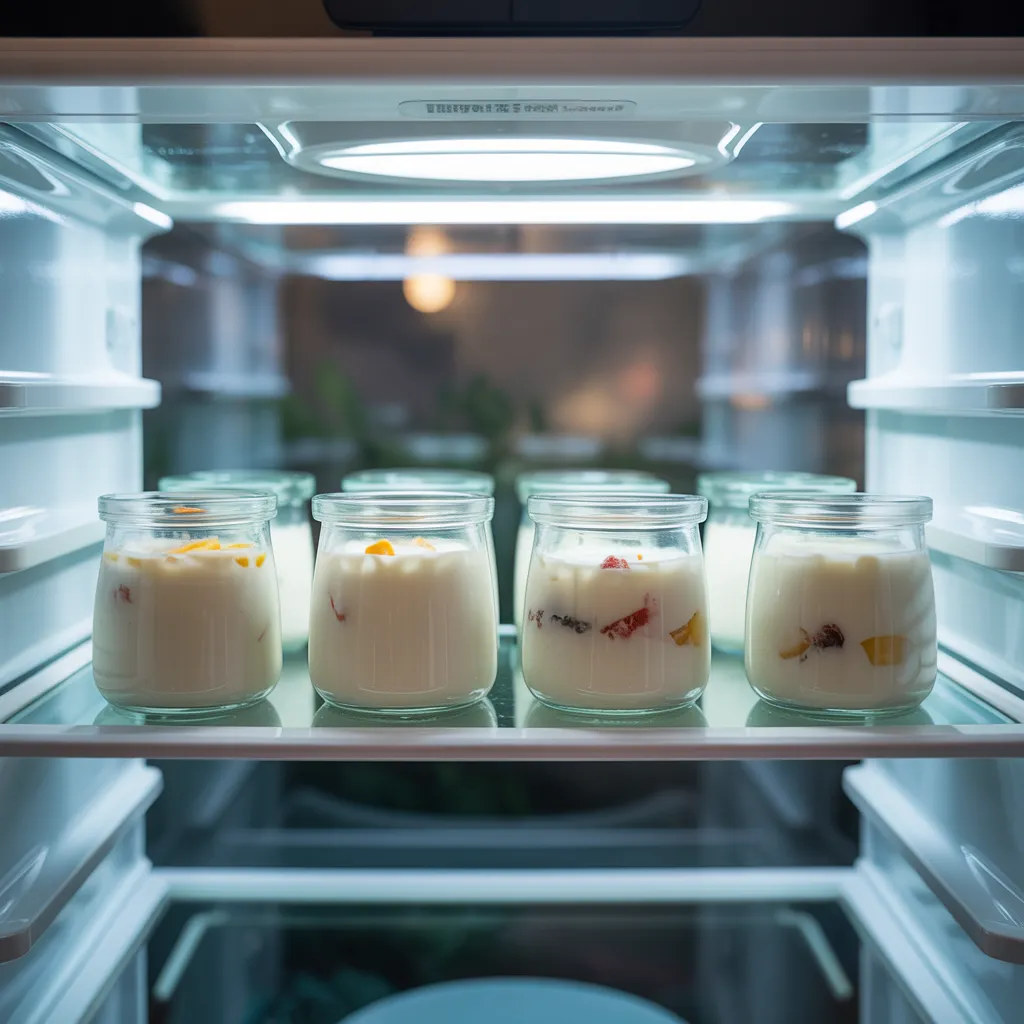
Why Choosing the Right Jars is Essential for Homemade Yogurt
Choosing the right jars for homemade yogurt is crucial for achieving the best results. The jars employed can significantly affect the fermentation process and the final texture of the yogurt. Proper materials, such as glass or food-safe plastic, allow for the even distribution of heat, essential for the growth of bacteria. Clear jars are helpful, as they enable the maker to observe the yogurt's consistency without opening them, which can disrupt the fermentation environment.
Size represents another crucial element; jars should be correctly proportioned to contain the preferred yogurt batch while avoiding excessive air exposure. Additionally, jars with secure lids aid in maintain a steady temperature and shield the yogurt from contaminants. All in all, selecting the right jars not only secures a effective fermentation process but also improves the flavor and quality of the homemade yogurt, making it a beneficial consideration for any yogurt enthusiast.
Crucial Jar Types for Producing and Preserving Yogurt
For making and storing yogurt, two essential jar types stand out: glass mason jars alongside plastic containers with lids. Glass mason jars deliver both durability and an airtight seal, which makes them perfect review now for fermentation. Meanwhile, plastic containers offer a lightweight and practical alternative, specifically for users who favor effortless handling and storage.
Mason Glass Jars
Mason jars crafted from glass emerge as the perfect choice for producing and storing homemade yogurt. Their airtight seals provide ideal fermentation, allowing yogurt cultures to thrive without exposure to contaminants. The transparent design of these jars enables easy monitoring of the yogurt's consistency and fermentation progress. In addition, glass is non-reactive, which means it won't impart any unwanted flavors to the yogurt. These jars can be found in various sizes, accommodating different batch needs, from small servings to larger quantities. They are also easy to clean and can be reused multiple times, making them sustainable. With their longevity and convenience, glass mason jars are a dependable option for yogurt enthusiasts looking to create delicious, homemade yogurt.
Plastic Containers Featuring Lids
Many yogurt makers value plastic containers with lids for their practical nature and ease. These containers are featherweight, making them easy to handle and transport, which is notably useful for those who frequently make yogurt in batches. The airtight lids supply an dependable seal that helps maintain freshness and flavor during storage. Additionally, plastic containers are often more affordable than glass alternatives, making them obtainable for a range of budgets. They are generally dishwasher safe, simplifying clean-up after use. However, it is necessary to opt for high-quality, food-safe plastic to avoid any chemical leaching during the yogurt-making process. In general, plastic containers with lids are a practical option for both making and storing homemade yogurt.
Selecting Between Glass and Plastic: Which Jars Suit Your Yogurt Best?
Which jar type proves most effective for preserving homemade yogurt: glass or plastic? The conversation frequently emphasizes flavor preservation, safety, and durability. Glass containers are preferred for their non-reactive nature, which aids in preserving the yogurt's flavor and freshness with no danger of leaching chemicals. In addition, glass is effortless to sanitize and can be reused indefinitely, positioning it as an eco-conscious option.
Plastic containers, conversely, are lightweight and less prone to breaking, which might be more suitable for particular individuals. Yet, certain types of plastic can take in smells and tastes over time, potentially affecting the yogurt's taste. Moreover, concerns about BPA and other harmful chemicals in plastics have motivated many individuals to avoid them completely.
Ultimately, glass jars are seen as the ideal option for those seeking to secure the optimal quality and safety for their homemade yogurt.
Best Jar Sizes for Making Yogurt Batches
When choosing jar sizes for homemade yogurt, both quart and pint jars present unique benefits. Quart jars are excellent for larger batches, providing ample storage for those who consume yogurt frequently. On the other hand, pint jars are excellent for smaller portions, providing easy customization and more rapid consumption.
Quart Jar Advantages
Quart jars are one of the most practical choices for creating yogurt at home. Their size enables substantial batches, making them ideal for families or those who consume yogurt regularly. This volume decreases the need for frequent preparation, offering convenience for demanding routines. Additionally, quart jars facilitate balanced fermentation due to their ample volume, promoting uniform results. The generous opening streamlines both filling and sanitizing, which is essential for upholding sanitation. In addition, quart jars are typically compatible with different yogurt makers, increasing their practicality. Their robust construction assures durability, permitting prolonged use without concern about breakage. These features make quart jars a favorite among yogurt makers desiring effectiveness and reliability in their yogurt-making efforts.
Advantages of Pint Jars
Pint jars offer a flexible option for those who favor smaller, more manageable portions of homemade yogurt. These vessels are excellent for individual servings, making them great for lunches or on-the-go snacks. Their size also enables easy storage in different refrigerator layouts, maximizing space efficiency. Additionally, pint jars encourage portion control, assisting yogurt enthusiasts avoid overindulgence while still enjoying their favorite treat. They are also convenient for gifting homemade yogurt, delivering an attractive presentation. With a wide array of lid options, pint jars can be tightly closed, preserving freshness for longer periods. All in all, pint jars blend practicality and versatility, making them a popular choice for yogurt makers looking to simplify their yogurt preparation and storage process.
Top Tips for Cleaning and Maintaining Yogurt Jars
Thorough care and maintenance of yogurt jars is vital for guaranteeing the safety and quality of homemade yogurt. To begin, it is essential to clean jars with warm, soapy water right after use to prevent bacteria growth. A complete rinse with hot water should follow, guaranteeing all soap residue is washed away. Additionally, using a bottle brush can help reach challenging spaces where yogurt residue may cling.
To sterilize, jars may be boiled in water for ten minutes or put in a dishwasher on a high-heat setting. It is also important to regularly inspect jars for cracks or chips, as these can harbor harmful bacteria. Following the cleaning process, jars must be thoroughly air-dried prior to storage. Avoid using abrasive cleaners or scouring pads, as they can damage the jar's surface. Through compliance with these guidelines, yogurt enthusiasts can ensure the durability and extended life of their yogurt jars.
How to Find the Highest Quality Jars for Producing Homemade Yogurt
Finding the right jars for making homemade yogurt can substantially elevate the fermentation process and overall quality of the yogurt. Several channels exist for sourcing suitable jars. Local kitchen supply stores often provide a assortment of glass jars that are ideal for yogurt fermentation. Furthermore, many online retailers, such as Amazon or specialty home brewing websites, present a broader selection, including jars with airtight lids that help sustain the necessary temperature and inhibit contamination.
Recycling glass jars from commercially purchased products is an additional eco-friendly option. Jars from pickles, sauces, or drinks can be repurposed, as long as they are thoroughly cleaned and sterilized. Community forums and social media groups dedicated to yogurt making may also offer suggestions and insights on where to locate high-quality jars. By exploring these options, yogurt enthusiasts can make certain they find the best containers for their homemade creations.
Your Questions Answered
Can I Repurpose Jars From Store-Bought Yogurt?
Yes, jars from shop-bought yogurt can be utilized again. However, they must be carefully cleaned and sterilized to avoid contamination. Guaranteeing proper hygiene is essential for safe storage and maintaining the quality of homemade yogurt.
What Is the Shelf Life of Yogurt in Jars?
Jarred yogurt can normally be kept in the refrigerator for one to three weeks. Still, its quality and freshness could decrease over time, so consuming it sooner is advisable for the best taste and texture.
Should Jars Be Sterilized Prior to Use?
Yes, jars should be sterilized before use. This procedure eliminates dangerous bacteria and ensures a safe setting for yogurt fermentation. Adequate sterilization increases the quality and durability of the homemade yogurt created in those containers.
May I Use Mason Jars for Yogurt?
Certainly, you can use mason jars for yogurt. They are ideal for fermentation due to their airtight seals and heat-resistant properties. Moreover, they are available in different sizes, offering convenience in dividing homemade yogurt.
Are Particular Lids Necessary for Yogurt Jars?
Specific lids are not strictly necessary for yogurt jars, but tight-fitting lids help keep the right temperature and prevent contamination. Many opt for using silicone or plastic lids that allow a bit of airflow during fermentation for best results.