How Glass Jars Became the Best Option for Homemade Yogurt: Exploring the Benefits of Yogurt Maker Jars
Homemade yogurt benefits greatly from glass jars. Non-reactive glass surfaces maintain probiotics, important for gut health. These containers ensure stable fermentation heat and enable simple observation. In addition to functionality, they're environmentally conscious and reusable. Yet, the advantages go further than these characteristics. Understanding how these jars enhance the yogurt-making process can lead to better results and a more enjoyable experience. Why are glass containers the favored option?
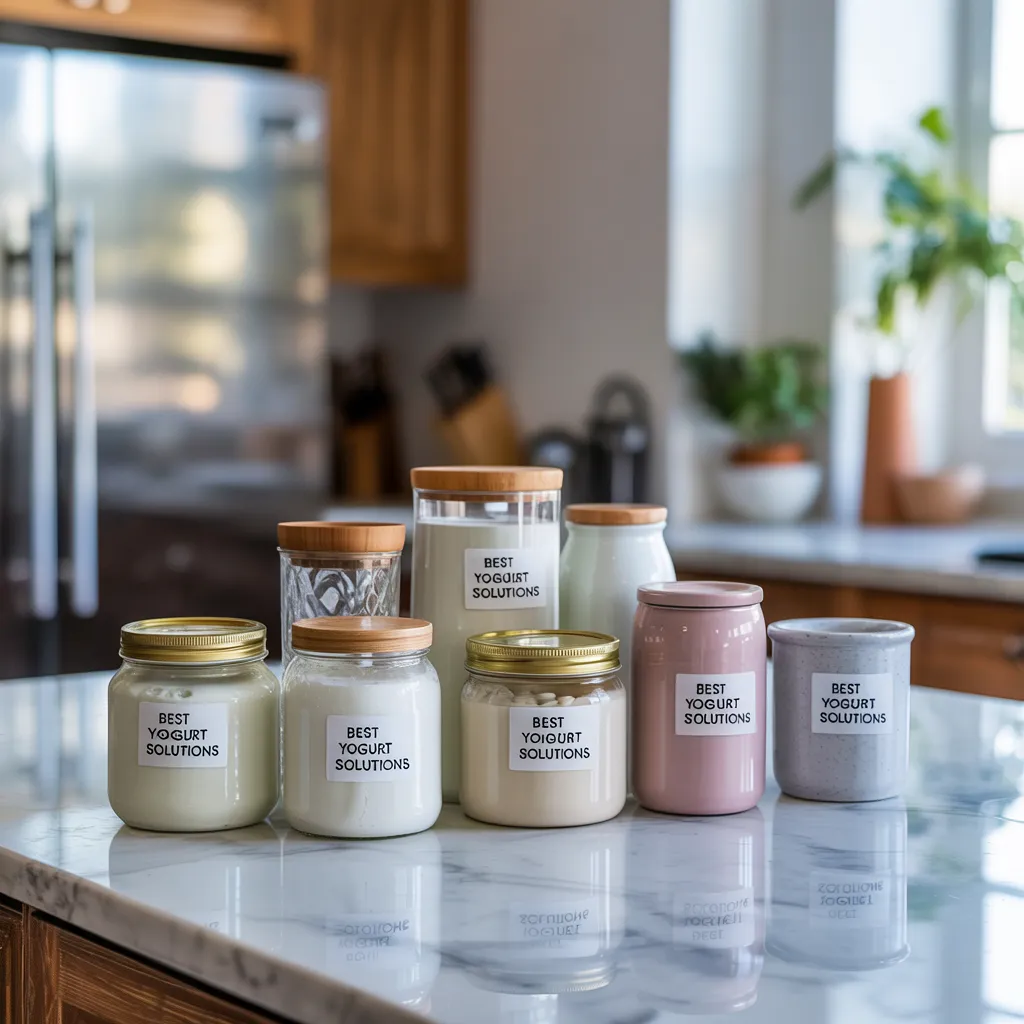
How Glass Jars Boost Yogurt Fermentation
Although numerous factors influence yogurt fermentation, the option of container plays a significant role in reaching ideal results. Glass jars, in particular, are highly effective in this process. Their non-reactive nature assures that no harmful chemicals leach into the yogurt, allowing for a pure fermentation environment. This purity can boost the flavor profile and texture of the final product.
Moreover, glass jars provide outstanding insulation properties, that help sustain a stable temperature during the fermentation process. This temperature stability is vital, as yogurt cultures flourish optimally within specific temperature ranges. Additionally, the transparency of glass facilitates simple monitoring of the fermentation process without exposing the container, which could disturb temperature and add contaminants.
Health Advantages of Utilizing Glass Jars for Producing Yogurt
Utilizing glass jars for creating yogurt not only enhances the fermentation process but also delivers several health benefits. Glass is a non-reactive material, guaranteeing that no harmful chemicals leach into the yogurt during fermentation. This maintains the integrity of the probiotics, which are crucial for gut health. Additionally, glass jars are easy to clean and sterilize, reducing the risk of bacterial contamination that could compromise the yogurt's quality.
Additionally, the transparency of glass enables easy monitoring of the fermentation process, ensuring ideal conditions for the growth of beneficial bacteria. When yogurt is prepared in glass jars, it often leads to a fresher taste and better texture, which can encourage more frequent consumption of this nutritious food. On the whole, using glass jars not only supports the fermentation process but also promotes the enjoyment of healthier homemade yogurt.
Green Benefits of Glass Jars
Selecting glass jars for homemade yogurt contributes significantly to environmental sustainability. Unlike plastic containers, glass jars are produced from natural materials, making them an sustainable choice. They can be recycled indefinitely without losing quality, minimizing landfill waste significantly. In addition, glass does not leach harmful chemicals into food, safeguarding both health and the environment.
Using glass jars also promotes a decline in single-use plastics, which are a substantial factor to ocean pollution and wildlife threats. The durability of glass means it can be reused for years, additionally minimizing the demand for new manufacturing processes that deplete energy and resources.
Additionally, glass jars are typically easier to sanitize and sterilize, making them a greener solution in the long run. By picking glass, yogurt makers not only enjoy excellent food storage but also positively contribute to a more sustainable planet. This decision represents a devotion to both personal health and environmental care.
Effective Strategies for Working with Glass Jars in Yogurt Creation
Many yogurt aficionados realize that employing glass jars in the yogurt-making process boosts both the quality of the final product and the overall experience. To enhance the rewards of glass jars, it is important to ensure they are appropriately sterilized before use. This destroys any potentially harmful bacteria, encouraging a healthy fermentation environment. Moreover, picking jars of uniform size ensures even heat distribution during the yogurt-making process.
Employing lids that fit tightly helps preserve the correct temperature, which is crucial for perfect fermentation. It is wise to label jars with the date and flavor to track freshness and varieties. Additionally, placing jars on a steady surface during incubation minimizes the risk of spills. In conclusion, avoiding extreme temperature changes when moving jars from the yogurt maker to the fridge will help preserve texture and flavor. By adhering to these practical tips, yogurt makers can achieve consistent and delicious results.
The Role of Glass Jar Seals in Preserving Yogurt Freshness
Although the quality of yogurt primarily relies on the fermentation process, the seals of glass jars serve a crucial role in maintaining its freshness. A properly sealed glass jar serves as a barrier against external elements, such as air and moisture, which can result in spoilage. This airtight environment helps maintaining the perfect pH and temperature levels within the jar, enabling beneficial bacteria to thrive while inhibiting harmful microorganisms.
In addition, glass jars are impermeable and do not absorb odors or flavors, guaranteeing that the yogurt remains pure and untainted. The transparency of glass also allows for easy monitoring of yogurt quality without compromising the seal. Additionally, using lids created for a tight fit enhances the longevity of the yogurt, enabling it to keep fresh for an extended period. Ultimately, the effective seals of glass jars make them a top-tier choice for yogurt enthusiasts seeking freshness and quality.
Frequently Asked Questions
Can I Use Plastic Jars Instead of Glass for Yogurt Making?
Yogurt can be made in plastic jars, though they may not preserve temperature as efficiently as glass ones. Moreover, plastic has a tendency to retain odors or stains, possibly influencing the yogurt's flavor and quality with continued use.
What's the Proper Method for Cleaning Glass Jars After Yogurt Production?
To clean glass jars following yogurt making, wash them using warm water, lightly clean with a sponge, and use mild soap if needed. Make sure of thorough rinsing to clear away any soap residue prior to air-drying entirely.
What Glass Jar Sizes Are Best for Homemade Yogurt?
When making yogurt at home, quart-sized glass jars are ideal, offering plenty of room for the fermentation process while remaining practical. Pint-sized containers, deliver practical portion control, but quart containers usually deliver more favorable results for substantial batches.
Can I Reuse Glass Jars for Yogurt Multiple Times?
Absolutely, glass jars may be utilized again multiple times for yogurt preparation. Thorough cleaning and sterilization between uses make certain that they stay sanitary and safe, allowing for reliable yogurt production without diminishing taste or quality.
Do Specific Glass Jar Brands Exist That Are Recommended for Yogurt Making?
Certain brands like Ball, Mason, and Weck are often recommended for yogurt making owing to their durability and airtight seals. These jars facilitate optimal fermentation conditions, elevating the quality of helpful tips homemade yogurt significantly.